Kelp Ark, in partnership with researchers at the University of Alaska Fairbanks (UAF) and Alaskan kelp farmer Nick Mangini, has received funding from Alaska Mariculture Cluster’s Southern Conference (SEC) to help ensure the future of kelp farming in Alaska. This funding supports the creation of a long-term kelp biobank, providing farmers with reliable, high-quality seedstocks they can count on.
Kelp aquaculture is on the rise, offering economic opportunities and environmental benefits, from nutrient cycling to local food production. But for many Alaskan farmers, securing strong, consistent seedstock remains a major hurdle. Regulations require them to collect wild kelp reproductive material every year, a costly and time-consuming process.
A Game-Changer for Kelp Farmers
“Kelp farmers in Alaska are doing incredible work, but they need better tools to succeed,” said Michael Marty-Rivera, Collection Curator at Kelp Ark. “With this repository, we’re providing a reliable, cost-effective way to access high-quality seed stocks, helping their businesses grow while preserving the genetic diversity of local kelp populations”.
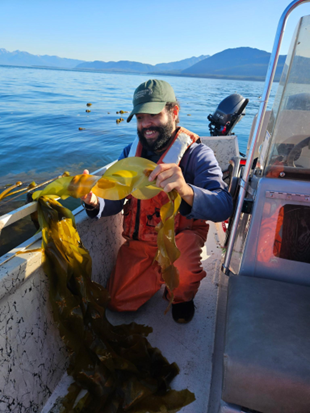
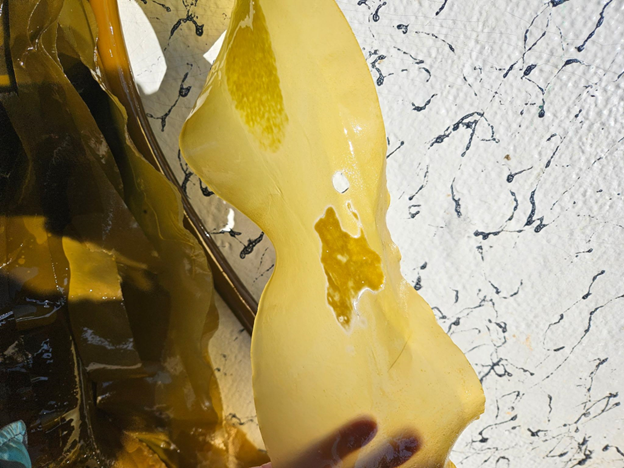
Through this initiative, Kelp Ark is working with local farmers to develop a collection of more than 600 genetically diverse strains of the targeted species: sugar kelp, ribbon kelp, and bull kelp. These seedstocks are stored as gametophytes, a microscopic life stage of kelp that can be grown and re-seeded as needed, possibly eliminating the need for repeated wild collection. Farmers using these high-quality, genetically diverse stocks could see production improvements of up to 30%.
Collaborating with Local Farmers
The project began with field collections in key Alaskan aquaculture regions, including Prince William Sound, Kenai Peninsula, Southeast Alaska, and Kodiak. Alaskan kelp farmer Nick Mangini will lead collection efforts, working alongside Dr. Michael Stekoll, UAF Professor Emeritus and kelp ecology expert. The team has identified the best collection sites, secured necessary permits, and is actively cultivating seedstocks tailored to Alaska’s farming needs.
To strengthen the effort, Kelp Ark will also establish a branch in Alaska and a mirrored collection at its San Pedro, CA facility. Working with the Alaska Department of Fish and Game’s Gene Conservation Lab, the team will analyze population structures and explore ways to improve regulations to make seed sourcing more efficient for farmers.