Kelp Ark, in collaboration with USC, receives Rapid Response Research grant as first NOAA collaborative collections are already underway to preserve California’s kelp biodiversity.
SAN PEDRO, Calif. -15 August 2026 -Kelp Ark, has received a $200,000 Rapid Response Research (RAPID) grant from the U.S. National Science Foundation (NSF) to quickly collect and save California kelp before a forecasted Super El Niño.
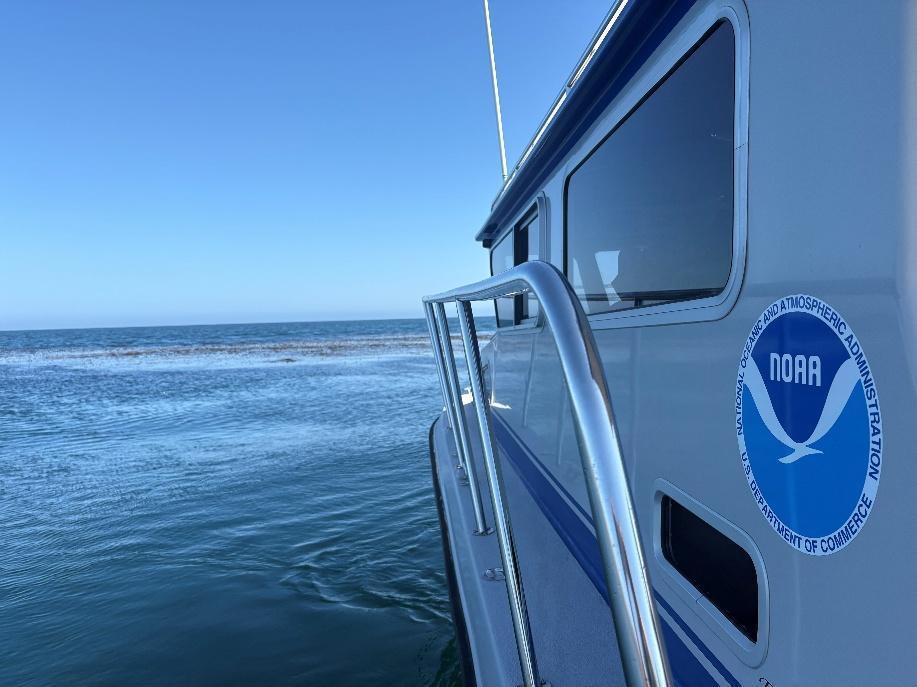
Photograph of expedition vessel overlooking a kelp canopy in the water from first RAPID kelp collection..
The project is underway . Kelp Ark and the University of Southern California (USC) dive team, led by Bernadeth Tolentino, partnered with the National Oceanic and Atmospheric Administration’s (NOAA) Channel Islands National Marine Sanctury to collect more than 100 kelp specimens from California’s North Channel Islands. These collections are now being processed in Kelp Ark’s lab, where Michael Marty-Rivera, project Principal Investigator & Kelp Ark Collection Curator, is isolating and preserving seeds that will become part of the organization’s long-term biobank.
Highlights
● The U.S. National Science Foundation has awarded Kelp Ark a $200,000 RAPID grant to preserve California kelp biodiversity ahead of forecasted extreme ocean warming.
● Kelp Ark is one of the only organizations in California authorized under a special scientific permit to collect and preserve living kelp gametophytes across 32 statewide coastal sites.
● Kelp Ark and the National Oceanic and Atmospheric Administration (NOAA) have already completed the project’s first collection, securing 127 kelp specimens from California’s North Channel Islands that are now being processed for long-term preservation.
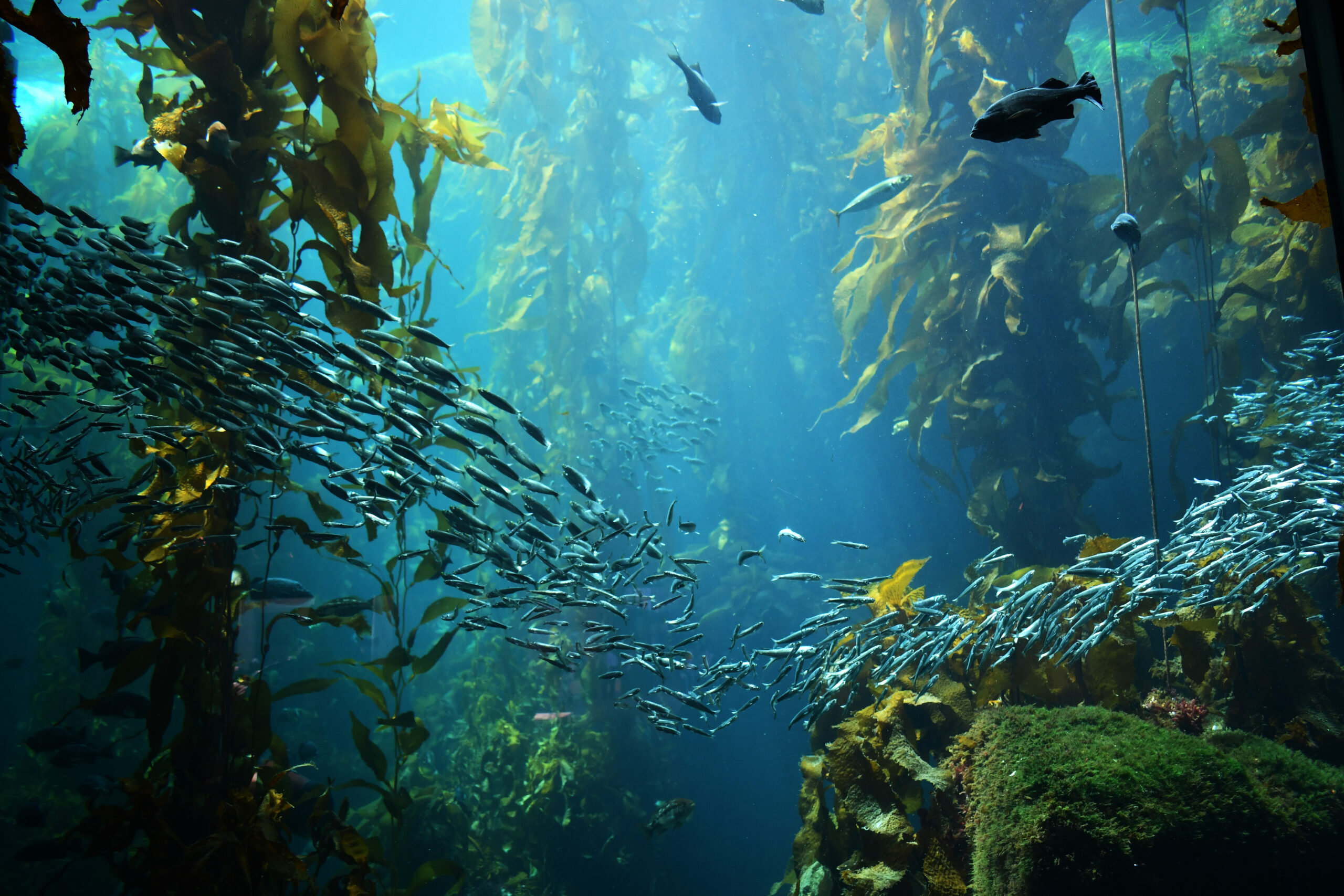
California’s kelp forests are among the world’s most productive marine ecosystems, supporting thousands of marine species, sustaining commercial and recreational fisheries, improving coastal Photograph of expedition vessel overlooking a kelp canopy in the water from first RAPID kelp collection. water quality, and capturing significant amounts of carbon. Yet these underwater forests are increasingly threatened by marine heatwaves driven by climate change.
In 2014–2015, a marine heatwave known as The Blob devastated bull kelp forests across Northern California, depleting up to 95% of the kelp canopy in some regions. Scientists now anticipate another period of unusually warm ocean conditions associated with a developing Super El Niño, creating an urgent opportunity to preserve the biodiversity needed for future restoration before additional populations are lost.
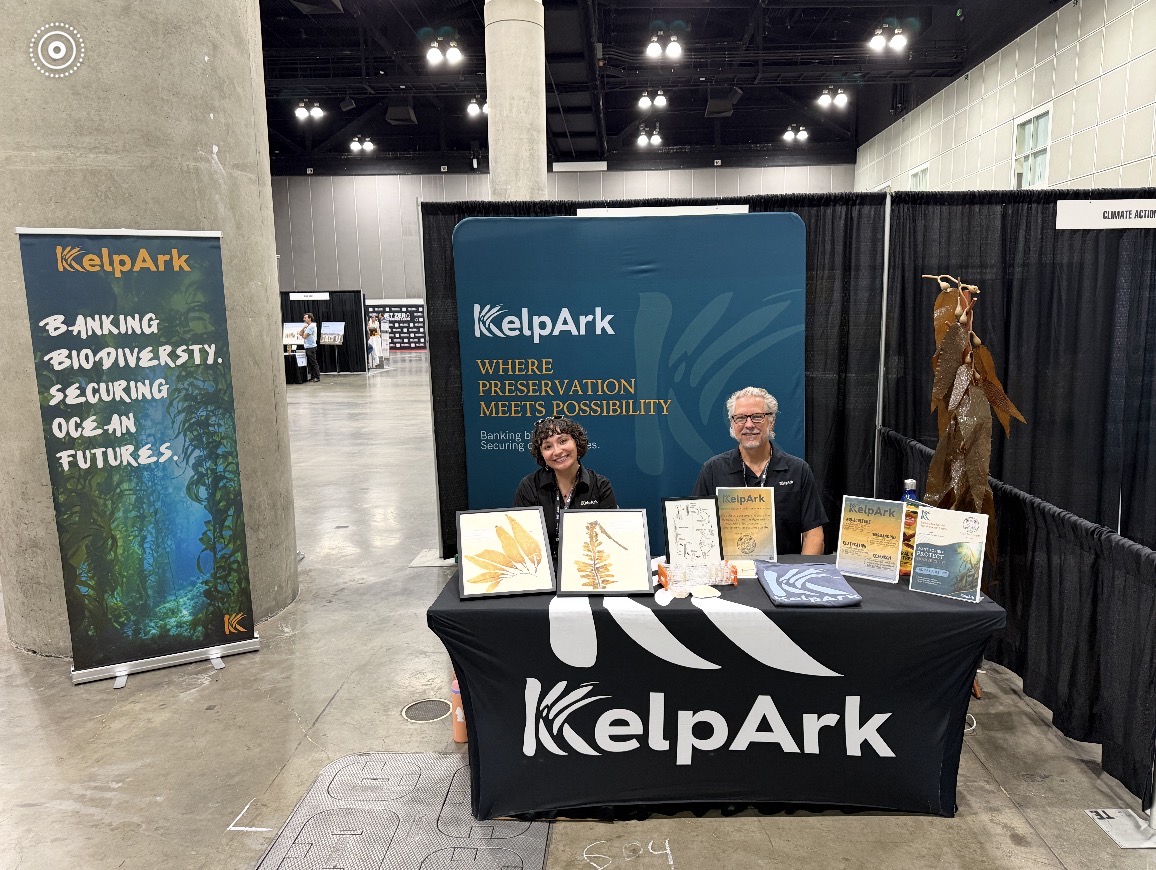
“The urgency is clear: if we lose kelp biodiversity today, we lose restoration opportunities tomorrow,” said Benjamin Grime, ocean recovery scientist, The Nature Conservancy. “As kelp forests face increasing pressures from marine heatwaves, conserving genetic diversity through seed banking can help ensure that future restoration efforts in California are resilient, effective, and capable of supporting healthy coastal ecosystems in a changing ocean.” Located at AltaSea at the Port of Los Angeles, Kelp Ark is building the world’s largest open-source living collection of East Pacific kelp, with more than 2,600 genetically unique kelp cultures representing twelve species. Kelp Ark maintains living collections of kelp seeds. Every addition represents unique traits that may help future kelp forests adapt to changing ocean conditions. These living cultures preserve kelp biodiversity to ensure high-quality seedstock is readily available.
The NSF RAPID award supports field collection and lab preservation at priority sites across California. By preserving living kelp populations before forecasted marine heatwaves intensify, the project is creating a lasting resource for restoration, scientific discovery, and resilient kelp breeding in the future.
“With the ocean warming, its keystone species – kelps – experience much stress ,” says Dr. Sergey Nuzhdin, Founder and CEO, Kelp Ark. “Every month or year, the chance of this stress killing them rises. It is up to us to save the entire kelp biodiversity of the kelps, starting from the temperature-sensitive ones that suffer most.” Kelp Ark is leading this effort through a scientific collaboration involving federal agencies, universities, and nonprofit partners. A cornerstone of the project is the University of Southern California dive team, led by Bernadeth Tolentino, whose scientific diving expertise has been instrumental in collecting California kelp biodiversity.
The initial collection expedition was organized by USC’s diver and PhD. Candidate, Bernadeth Tolentino in collaboration with NOAA. Additional project partners include The Nature Conservancy, Get Inspired, San Diego State University, San José State University, Sonoma State University, California State University, Northridge, Cal Poly Humboldt, University of California, Santa Barbara, The California Seaweed Festival, and AltaSea.
Together, these collaborators are collecting California’s remaining kelp diversity, ensuring these invaluable biological resources remain available for future restoration, research, and sustainable mariculture.
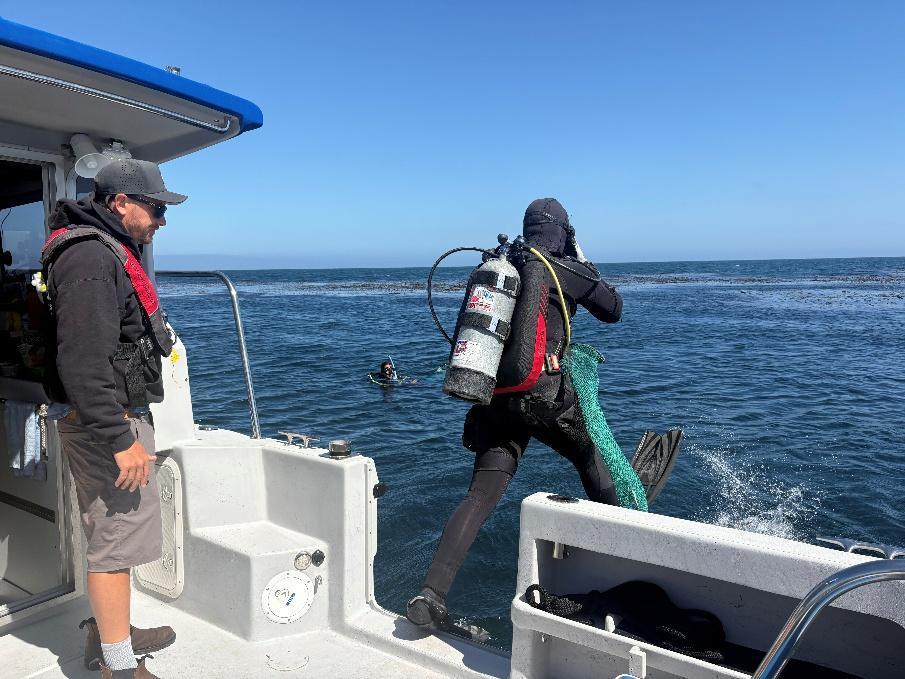
Photograph of Bulwa, USC scientific diver, entering the water for the first kelp collection dive of the project.
This material is based upon work supported by the U.S. National Science Foundation under Award No. 2625682.
Any opinions, findings, conclusions, or recommendations expressed in this material are those of the author(s) and do not necessarily reflect the views of the U.S. National Science Foundation.
About Kelp Ark
Based at the blue economy hub AltaSea at the Port of Los Angeles, Kelp Ark is a nonprofit marine conservation organization dedicated to safeguarding the biodiversity of marine macroalgae and their microbial partners. Through biobanking, scientific research, education, and collaboration, Kelp Ark preserves the genetic resources needed to restore resilient ocean ecosystems and advance sustainable mariculture. Learn more at https://kelpark.org/.
Media Contact
Hayden Schneider
Outreach & Partnerships for Kelp Ark
hayden@kelpark.org