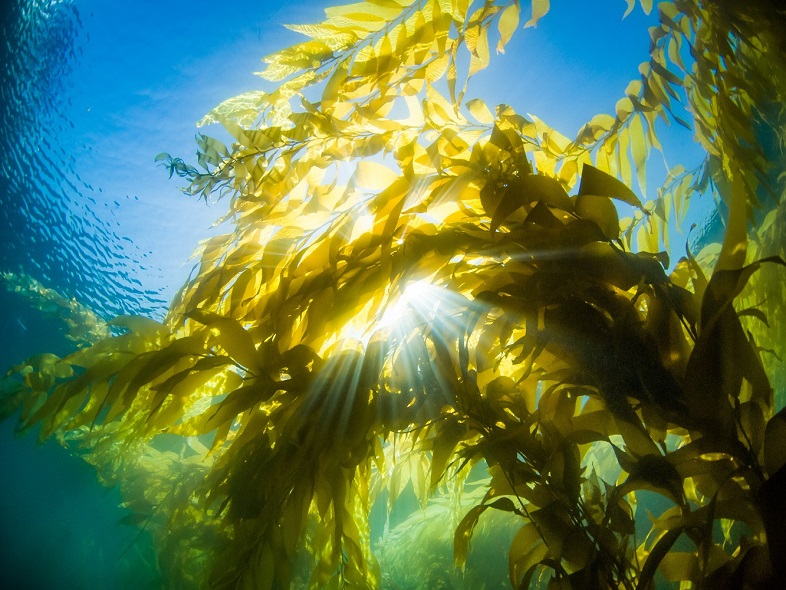
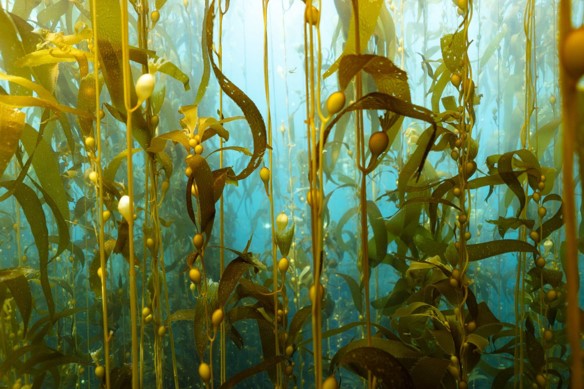
Kelp Ark is continuing to grow our Alaska kelp biobank, and we’re excited to share our latest milestone. During our recent collection efforts in Kodiak, we added 67 new kelp accessions to the collection.
Local kelp farmers collect healthy kelp from the ocean and bring it back to the lab. There, we extract the microscopic reproductive stage of the kelp (called gametophytes) and grow them until they reach the ideal size for long-term preservation.
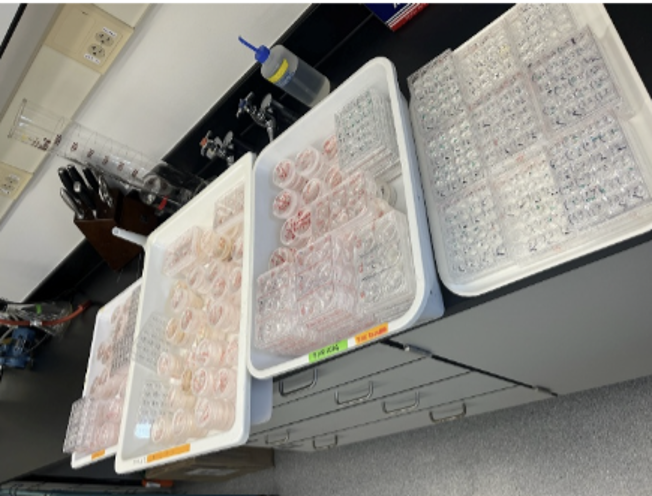
Photo: Gametophytes growing on culture plates in the lab.
Why is this important?
Building a diverse kelp biobank is the first step towards understanding Alaska’s incredible kelp biodiversity. By preserving kelp from different locations, we’re creating a resource that can support research, restoration, and the future of sustainable kelp farming.
This growing collection will help us answer important questions like how much genetic diversity exists in Alaska’s kelp populations, how do we help farmers maintain healthy levels of biodiversity when growing kelp, and what information can support policies and best practices for the expanding kelp farming industry?
Over time, this work could also make farming more efficient. Rather than collecting wild kelp every year to start new crops, farmers may eventually be able to access well-documented, high-quality seed stock from the biobank, creating an easier and more reliable way to begin each growing season while helping preserve valuable genetic diversity.
Our next collection trip will take us to Ketchikan, where we’ll continue expanding the Alaska collection. We look forward to sharing more photos, updates, and kelp counts as the project grows!
Thank you for following along as we work to safeguard the future of kelp.