Orla LaBiche and Calvin Harding
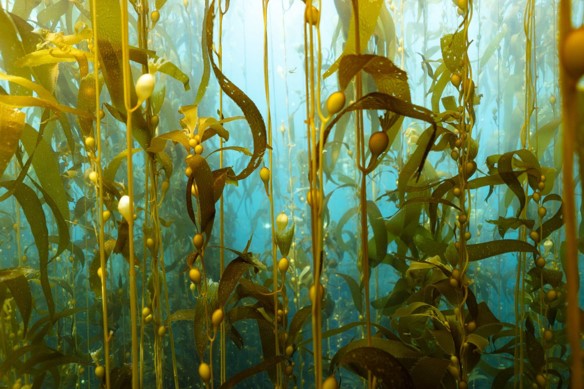
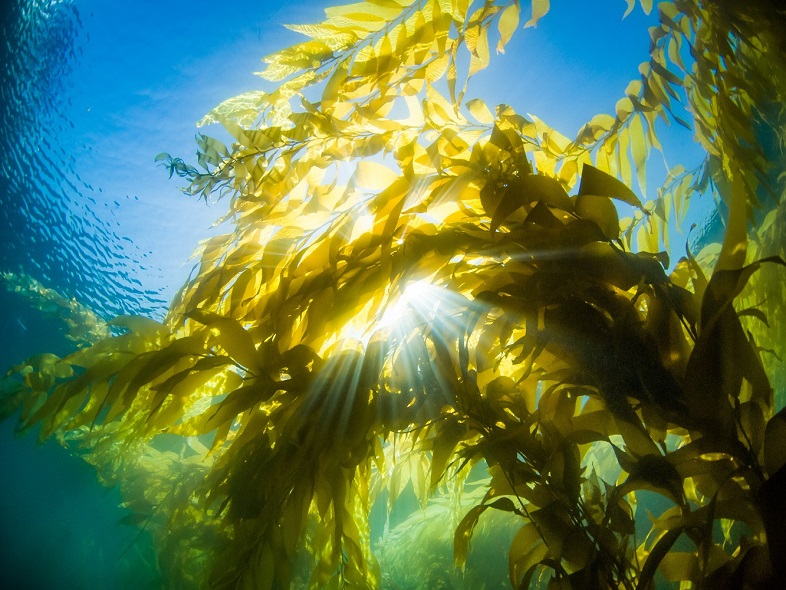
An increased frequency and intensity of marine heat waves throughout the Northeast Pacific, combined with the developing Super El Niño, pose a significant risk to existing kelp forests. Kelp are intolerant of warm water, and previous marine heat waves have caused significant kelp decline. In Northern California, during the 2014 Marine Heat Wave, “The Blob”, over 95% of bull kelp canopy loss was reported due to the elevated sea surface temperatures (Ocean Protection Council, 2021).
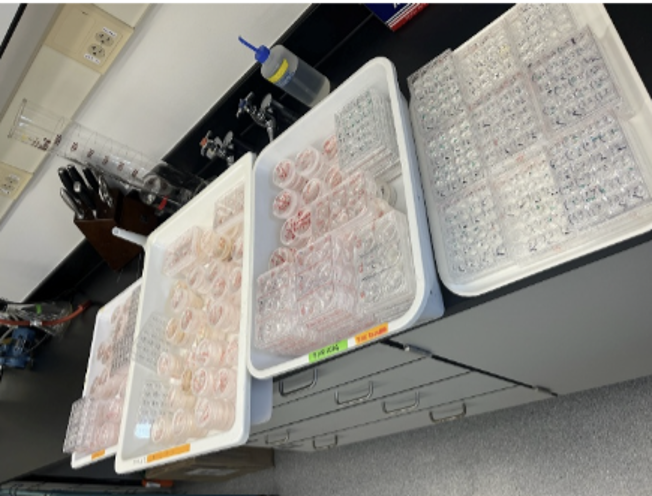
The current marine heat wave in the Eastern Pacific has already brought record-warm sea surface temperatures, and our team has seen massive kelp die-offs at our Catalina restoration sites. Once the incoming “Super El Niño” event has fully developed, by mid-summer, temperatures are expected to increase further, superseding previous heat waves and lasting through 2026-2027. The urgent concern is that these events will result in massive loss of kelp biodiversity, further underscoring the importance of protecting kelp biodiversity ex situ. At Kelp Ark, we will be increasing collection trips to sample and preserve as much kelp biodiversity as possible before the worst effects of the “Super El Niño” and are actively fundraising to support these efforts.